Bitcoin blockchain forensic analysis is a key method used to trace stolen or lost cryptocurrency. While Bitcoin transactions cannot be reversed, they can be tracked using blockchain data.
This guide explains how bitcoin blockchain forensic analysis works, how it helps in crypto recovery, and what limitations you should be aware of.
What Is Bitcoin Blockchain Forensic Analysis
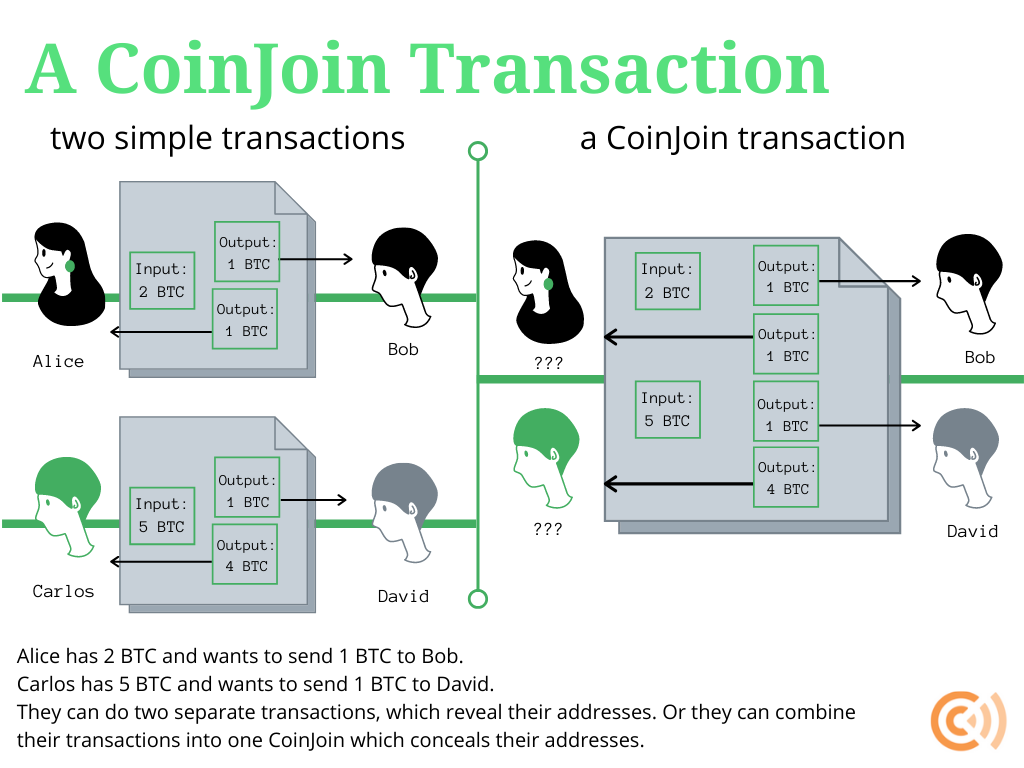
Bitcoin blockchain forensic analysis is the process of examining blockchain transactions to trace the movement of cryptocurrency.
Each Bitcoin transaction is permanently recorded and publicly accessible. By analyzing this data, investigators can:
- Track the movement of funds
- Identify connections between wallet addresses
- Analyze transaction behavior
- Detect links to exchanges or platforms
This process allows experts to reconstruct the path of stolen Bitcoin and identify possible recovery points.
Internal link: Is Bitcoin Traceable After Theft
How Bitcoin Blockchain Forensic Analysis Works
Bitcoin blockchain forensic analysis follows a structured process to track funds accurately.
Step 1: Data Collection
Investigators gather all available information, including transaction IDs, wallet addresses, timestamps, and any related communication.
This step is essential because accurate data ensures precise tracing.
Step 2: Transaction Mapping
Blockchain explorers and analytics tools are used to map the flow of funds.
This helps identify:
- Where the funds originated
- How they moved across wallets
- Whether they were split or combined
Step 3: Wallet Clustering
Wallet clustering groups addresses that are likely controlled by the same entity.
This helps reveal:
- Linked wallets
- Ownership patterns
- Fund management behavior
Step 4: Behavioral Analysis
Transaction behavior is analyzed to detect patterns such as:
- Repeated transaction structures
- Suspicious activity
- Known scam patterns
This step helps identify whether the activity aligns with fraudulent behavior.
Step 5: Exchange Identification
A critical part of bitcoin blockchain forensic analysis is identifying when funds reach centralized exchanges.
Exchanges may:
- Hold user identity data
- Freeze suspicious accounts
- Assist in investigations
This is often where recovery opportunities exist.
Step 6: Reporting and Action
A detailed forensic report is created, including transaction flows, wallet connections, and evidence.
This report can be used to contact exchanges or support legal action.
This process involves the use of advanced tools similar to ETHERSCAN: https://etherscan.io which enable our investigators to determine where the stolen Bitcoin has moved and whether it has reached a recoverable point.
Who Bitcoin Blockchain Forensic Analysis Is For
Bitcoin blockchain forensic analysis is useful for multiple groups.
Crypto Theft Victims
Individuals who have lost Bitcoin due to scams or hacks.
Recovery Professionals
Experts who specialize in blockchain investigations.
Law Enforcement
Authorities handling crypto-related financial crimes.
Exchanges
Compliance teams monitoring suspicious activity.
This process provides clarity for anyone trying to understand where funds have gone.
Risks and Limitations
Bitcoin blockchain forensic analysis is effective, but it has limitations.
Mixing Services
These services combine funds from multiple users, making tracing more complex.
Privacy Coins
Converting funds into privacy-focused cryptocurrencies reduces visibility.
Delayed Action
Waiting too long makes tracking more difficult.
Complex Transaction Chains
Layered transactions can obscure fund movement.
Despite these challenges, forensic analysis remains the most reliable method for tracing stolen Bitcoin.
Alternatives to Bitcoin Blockchain Forensic Analysis
If tracing alone is not enough, consider these options.
Exchange Reporting
Reporting stolen funds may lead to account monitoring or restrictions.
Legal Action
Legal processes can support recovery efforts in certain cases.
Professional Recovery Services
Experts combine analysis with investigation and reporting to improve outcomes.
Read our full guide Recover Stolen Bitcoin in 2026
FAQs
Can bitcoin blockchain forensic analysis recover stolen Bitcoin
It can trace funds and identify opportunities, but recovery is not guaranteed.
Is it accurate
Yes, blockchain data is transparent and verifiable.
How long does it take
It depends on complexity, ranging from days to months.
Can transactions be hidden completely
They can be obscured, but not always fully hidden.
Conclusion
Bitcoin blockchain forensic analysis is a critical tool in crypto recovery. It allows investigators to trace transactions, analyze fund movement, and identify possible recovery points.
Acting quickly and using accurate data significantly improves the chances of success.
Start Your Recovery Process
If your Bitcoin has been stolen, taking action immediately is essential.
Professional forensic analysis can help trace your funds and identify potential recovery paths.
Start your recovery process here:
https://cryptorecoveryminions.com